|
|
|
|
|
|
|
Products
|
Services
|
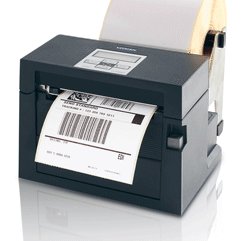
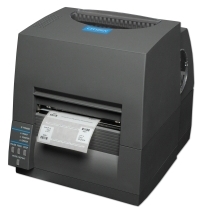
- Barcode Label Printers
Distributors of a variety of thermal transfer barcode
label printers from Low Cost Entry Level to Mid Range,
High End Industrial printers from Citizen, Godex
and Argox all over India.
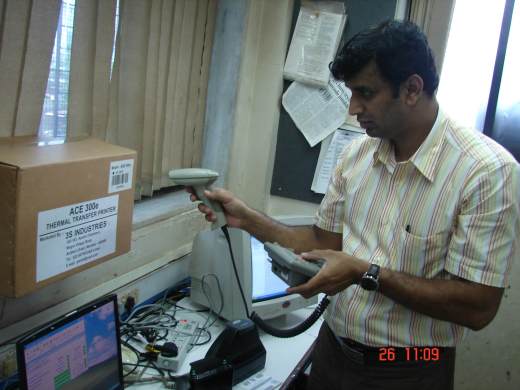
- Barcode Scanners
Vendors of Linear and 2D barcode (two-dimensional)
scanners, readers and imagers.
Handheld Laser, CCD scanners with standard wired
(Keyboard, RS232, USB) and wireless (bluetooth)
interfaces for POS (point of sales), retail, time and attendance,
chemists shops, jewelers, wine shops, hospitals, warehouses,
retailers and for barcode solution providers in India.
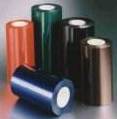
- Thermal Transfer Ribbons
Suppliers of Wax , Wax / Resin , Resin THERMAL TRANSFER RIBBONS
suitable for all type of barcode printers. We suply ribbons from international
brands like Sony, Dynic, Armor, Ricoh and many other standard suppliers.
- Blank Die-Cut Labels
Self Adhesive blank die-cut labels , stickers are available
in standard sizes from ready stock, custom sizes will be
made to customer specification.
- Barcode Verifiers
ISO / CEN certified Barcode Verifiers from Axicon, HHP .
Standard report generation of various verification tests with
graphical representations and report printing options.
Why to verify barcodes
- Label Printing Accessories
Label Rewinders, Label Dispensers specifically made to work with
thermal transfer barcode label printers and other barcoding
accessories.
- Label Designing / Printing Software
Codesoft, Nice Label . The latest and most advanced
versions of barcoding ,barcode label designing and barcode printing
software packages.
|
- Label Printing
After having more than fifteen years of experience in the field of barcode
label printing,
We print Barcode Stickers , Barcode Labels,
Price Tickets, Cardboard Tags, Taffeta, Satin Garment Care
Labels. We use the latest barcode label printing equipment
(barcode printers ,laser printers)
and barcode label designing and printing software packages.
Printed barcodes are verified and labels
are tested under ANSI / CEN standards.
We supply printed barcode labels all over India.
- Barcode Artworks / Verification
EAN , UPC barcode artworks,
ISBN,ISSN,UCC/EAN 128,CODE 39,CODE 93,CODE 128,ITF 14 ect...
barcode artworks.
-
What is barcode verification
-
Why verify barcodes
- GS1 (EAN / UPC) Registration
Register with Ean-India and get a
GS1 (EAN or a UPC)
number for your organization. So get registered with GS1 (EAN / UPC) and
get started with barcoding and automation systems.
- Annual Maintenance Contracts
Service , Maintenance & Repair contracts undertaken for
Citizen, Avery Dennison, Novexx ,
Ace , Godex , C.Itoh , Argox ,Pronto QLS ,Soabar
thermal transfer barcode printers.
Special Discounts
offered on print-heads, PCB , spares and consumables.
- TechincalSupport
Excellent pre-sales and after-sales technical support & service.
Installation of products and training of operators. Repairs, Maintenance
and cleaning instructions. Onsite support during warranty period.
|
| |
Free Ribbon Samples
|
|
Dealers/Resellsers Enquiry Solicited.
contact us for details....
|
Click Here To Contact us.
|
|
|











 Order Online
